Elemental analysis
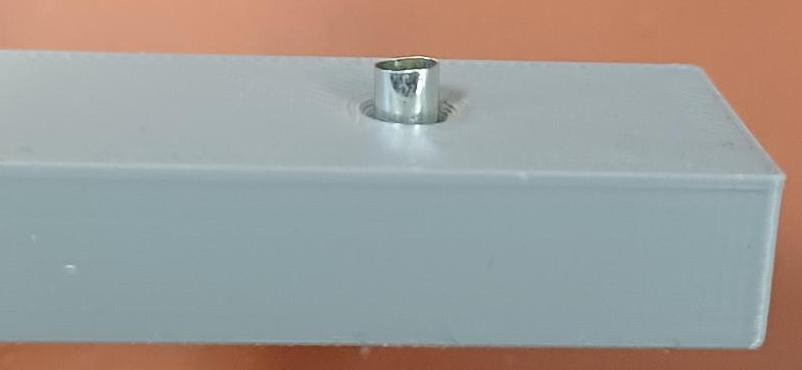
Small tin capsules proved to be reliable for preparing samples for elemental analysis of sensitive compounds inside a glove box (Figure 1).
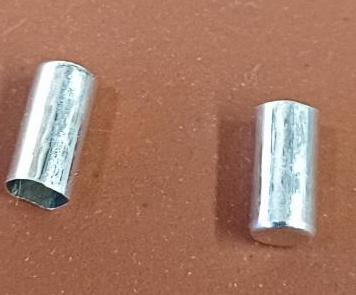
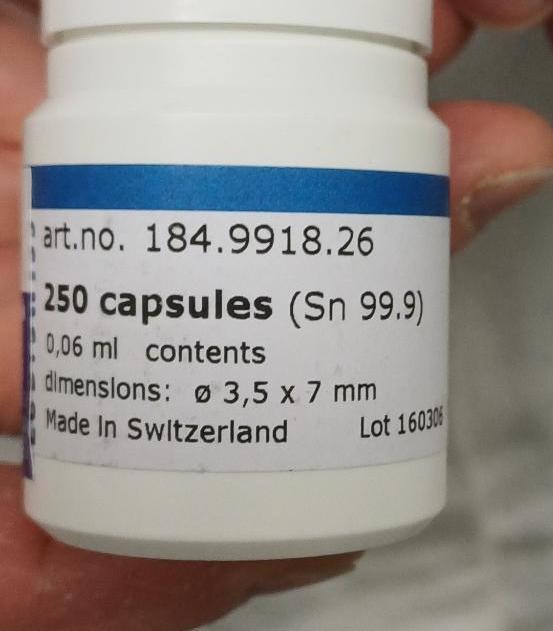
To make it easier to take pictures, the process of preparing a sample is shown outside the glove box. The capsules are tiny and relatively soft. Therefore, custom tools are needed to prepare them inside a glove box.
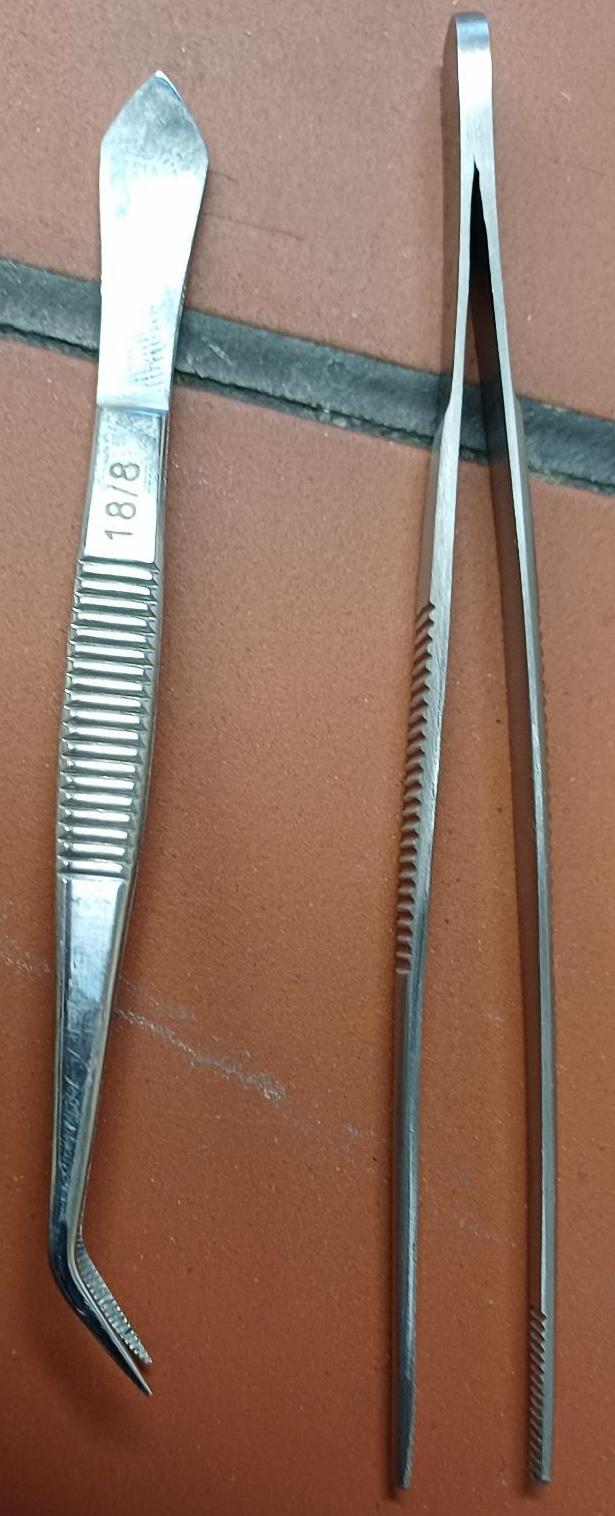
- Two tweezers. At least one hast to be pointy and ideally bent (Figure 2(a)).
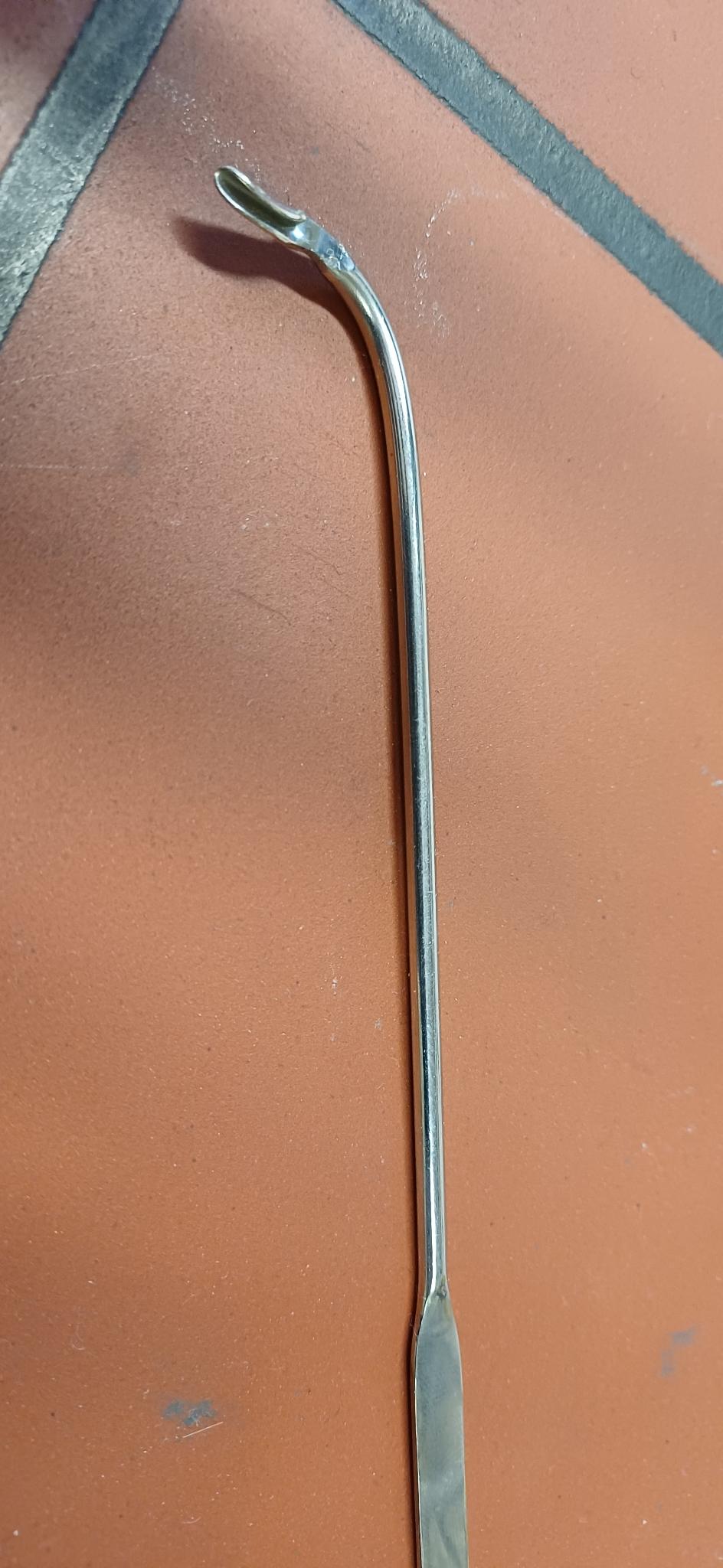
- A micro spatula. Bent it like in this picture (Figure 2(b)).
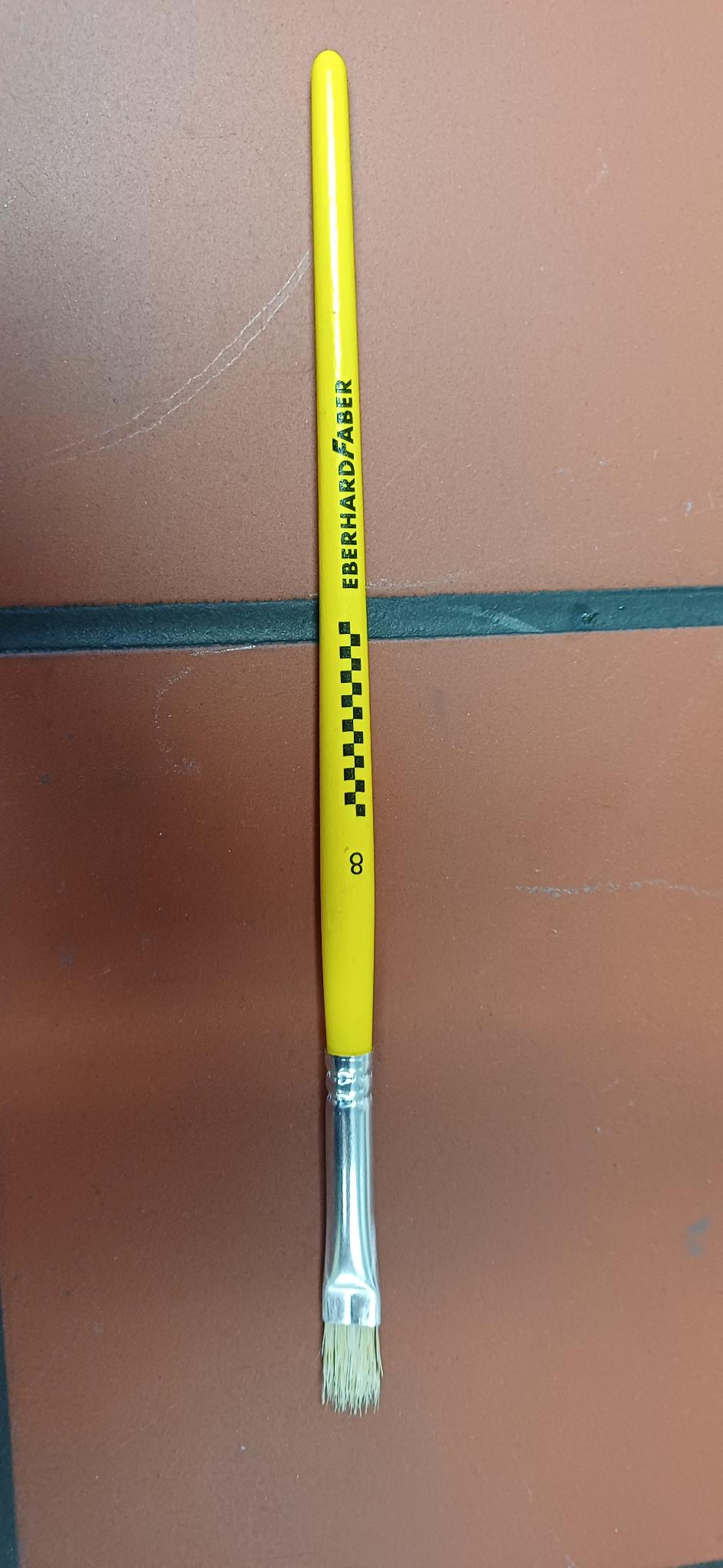
- A small paint brush (Figure 2(c)).
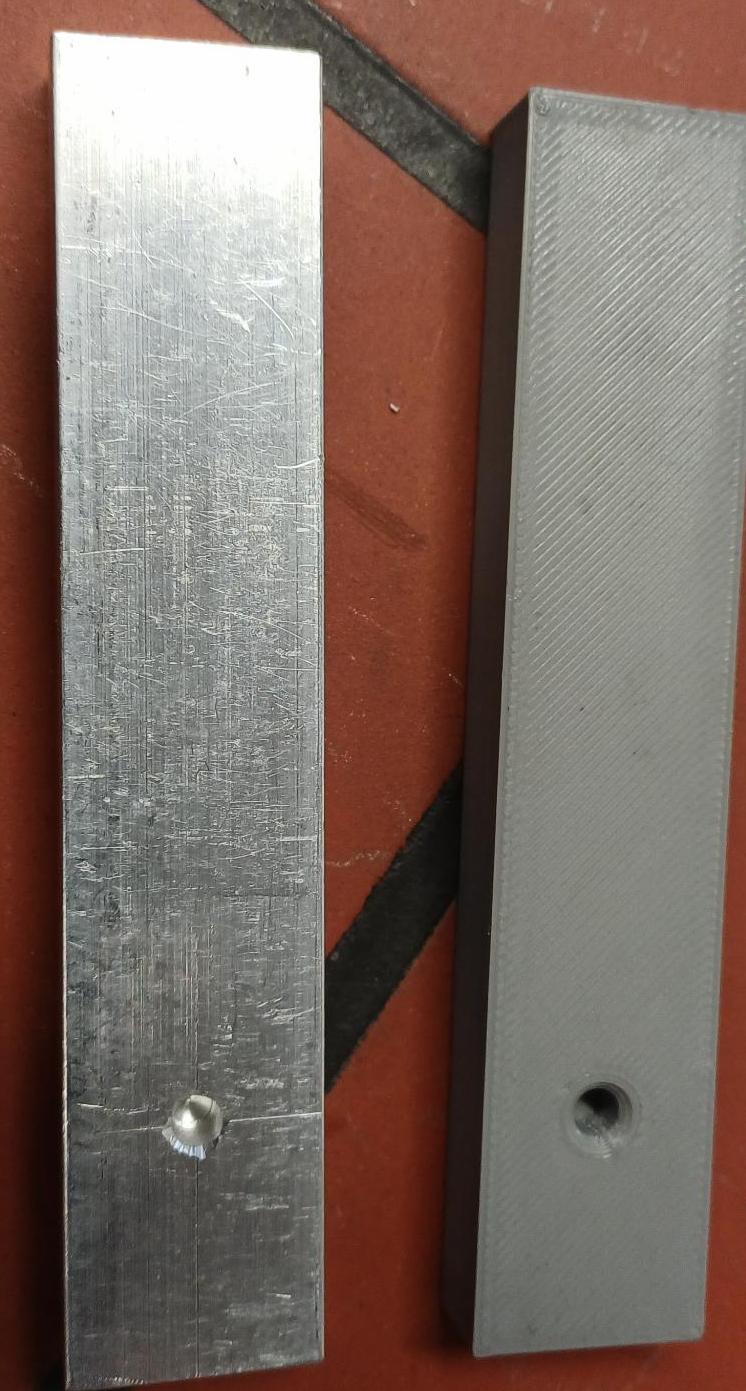
- A holder for the capsules (Figure 2(d)).
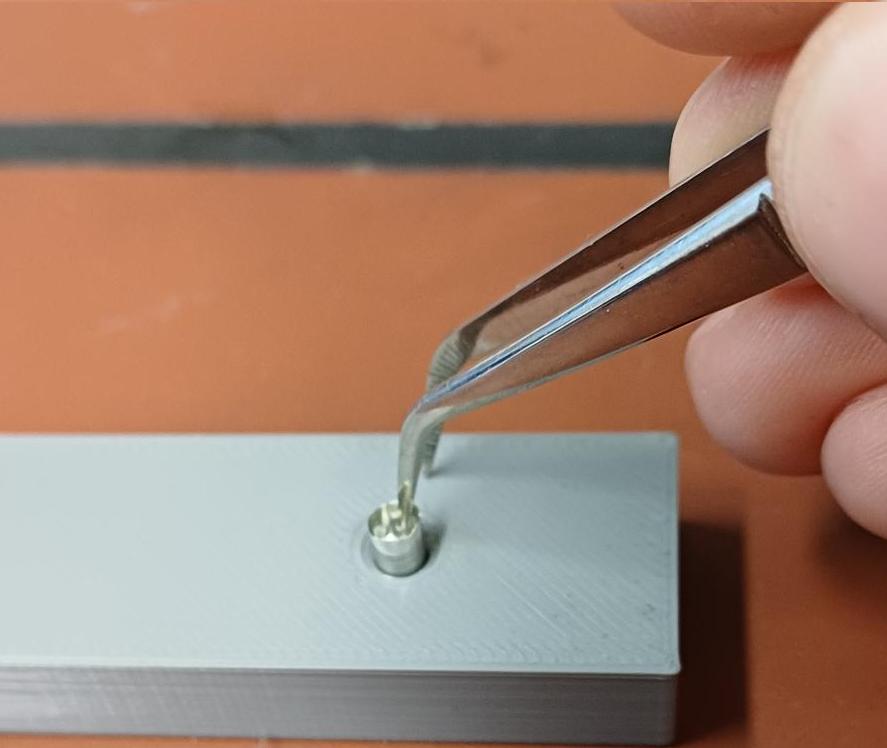
Use the pointed tweezers to place one capsule into the holder. The holder is a small piece of metal or polymer with a hole just large enough for the capsule (dimensions: 3.5×7 mm). I also created a 3D-printable model..
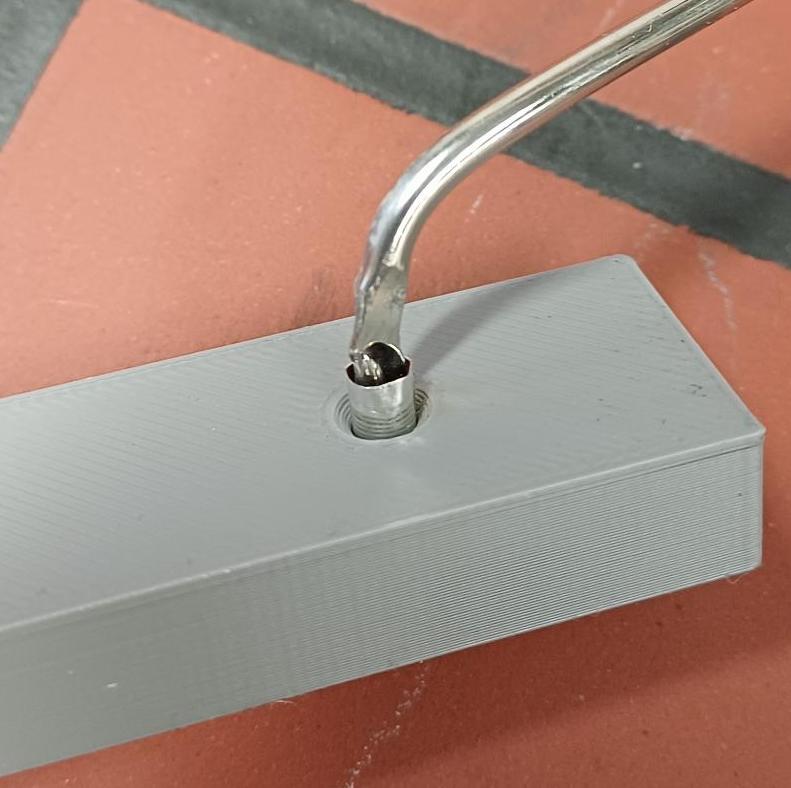
If the spoon head is bent correctly, it will fit inside the capsule, making the process much easier. The amount of substance should usually be around 2 mg, but check with your analytical department first. To determine the weight, put the container with your substance on a scale and zero it out. This allows you to see the difference on the scale if you remove something for your sample. Of course, you need to be very careful not to spill any of your substance when doing it this way. Otherwise, you won't know how much of the substance actually reached your capsule. If there is enough space on your scale, you can also place your holder with the capsule on it and zero it. Zeroing the capsule alone is not recommended because capsules are difficult to handle, and there is a high chance of spilling the contents or damaging the capsule.
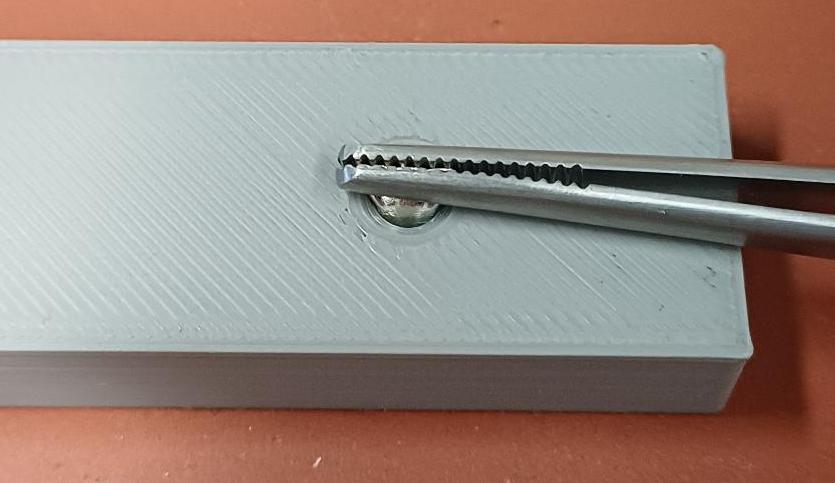
Use a tweezer to squeeze the opening shut and hold it like that (Figure 5(a)). Then pull the capsule out of the holder (Figure 5(b)).
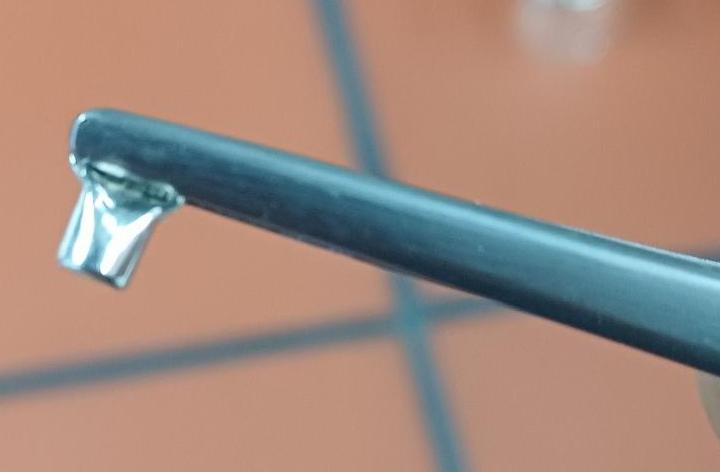
Use the second tweezer to carefully flatten the capsule (Figure 6(a)). Then carefully fold it in the upper half to seal it (Figure 6(b)).
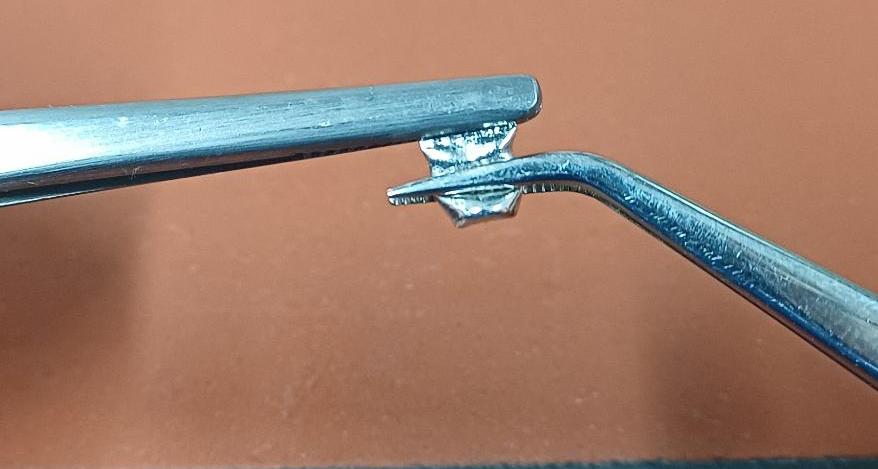
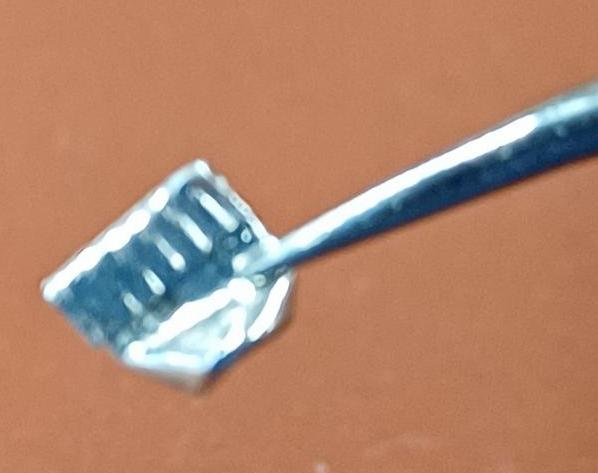
You can now store the capsules in a closed vial inside the glove box. It's best to remove your prepared samples from the glove box right before the measurement. Remember that the capsules need to be weighed before they are filled. Typically, the staff in your analytical department will do this for you, providing them in marked vials or containers.